The Evolution of Mystery

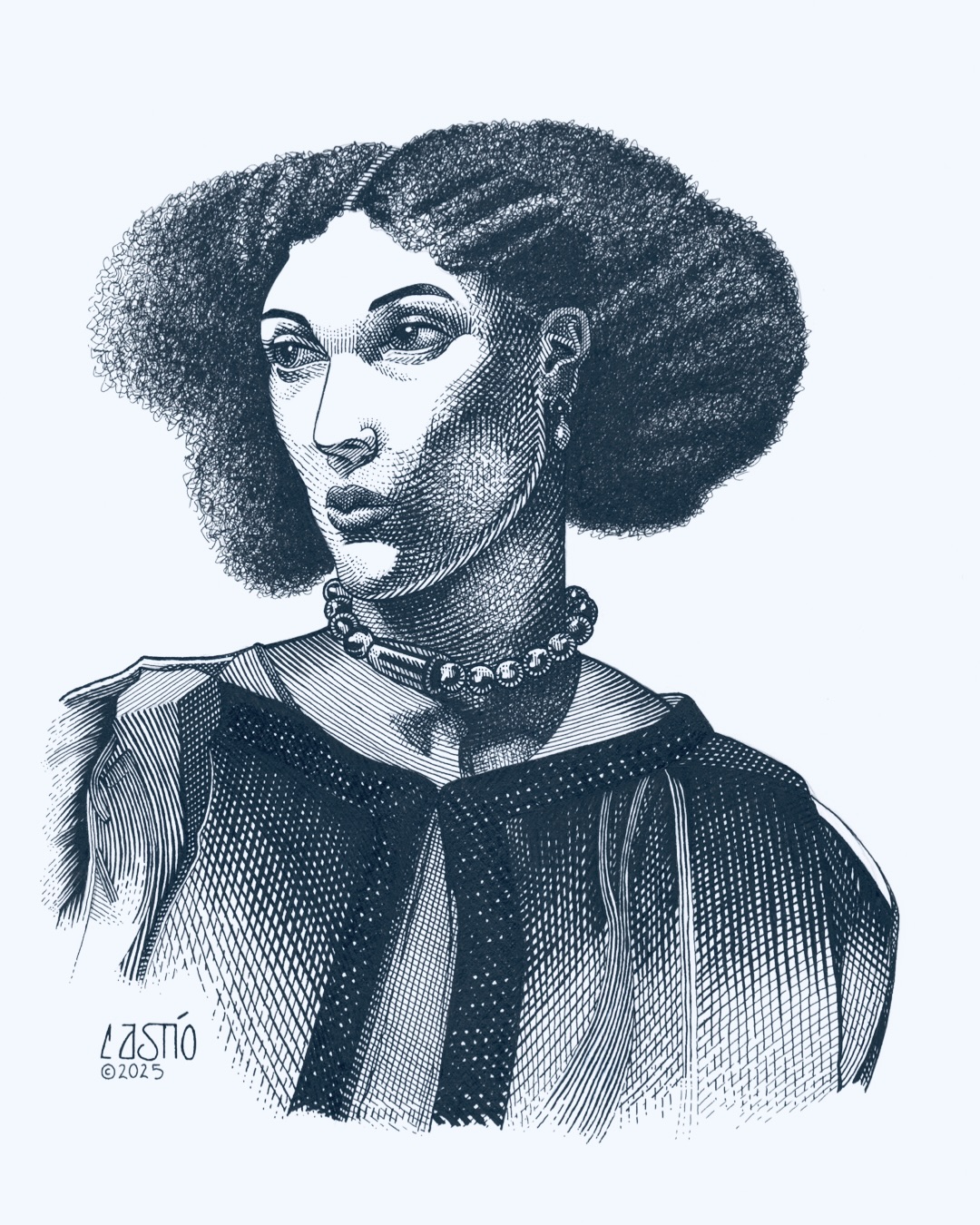
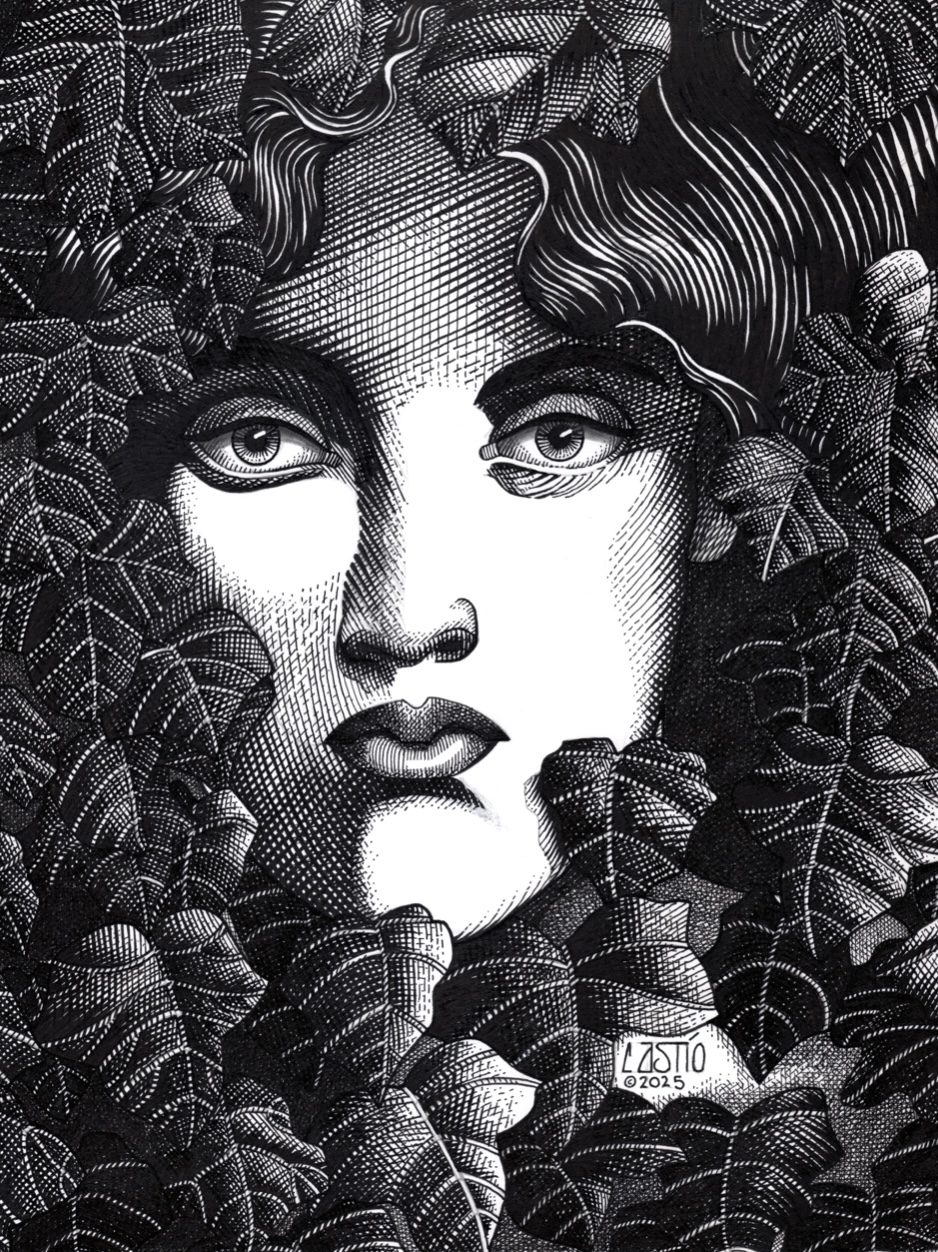
Mystery. 2025. Pen and ink on paper. 9″x12″.

The creation of a new piece of work unfolds in ways most people never imagine. It’s nonlinear, unpredictable, and refuses to adhere to routine. This isn’t a recipe for paella, it’s the act of conjuring something from nothing.
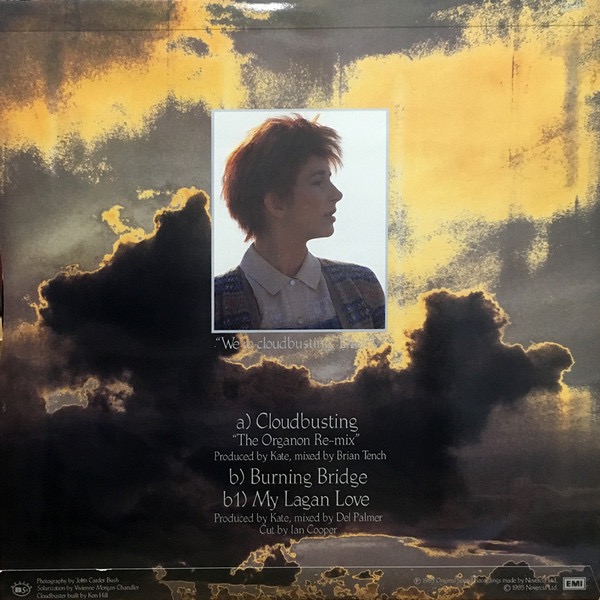
My Lagan Love from 1985 UK 12″ of Cloudbusting by Kate Bush.

In past blog posts, when I’ve written about creating new work, I’ve fallen back on the same worn-out playbook, offering a play-by-play of pencils, pens, and technique. That approach has never done a damn thing for anyone, let alone provided any real insight into my process. It’s been nothing more than a polished façade, a false account of what it truly means to create something from nothing.

The changes my work has undergone over the past few years make it impossible for me to present anything but the raw truth behind what I do. Speaking that truth is essential to where I am now and what I create. The creative process is messy, complex, and rarely linear; it’s not a fucking Disney movie.

My drawing Mystery began as a ball of frustration after the worst bout of creative stasis I’ve ever experienced. 2024 started as a long list of projects that would move me closer to my goals, but life had other plans. In the past, whenever I’ve experienced rough patches on my journey, I’ve always turned to music to get me through; it’s never let me down. In 2005, after losing my mom and my way, I reached out to Hounds of Love, London Calling, and Point of Entry for salvation. The sounds on those albums were a balm for my mind during the bleakest period of my life.
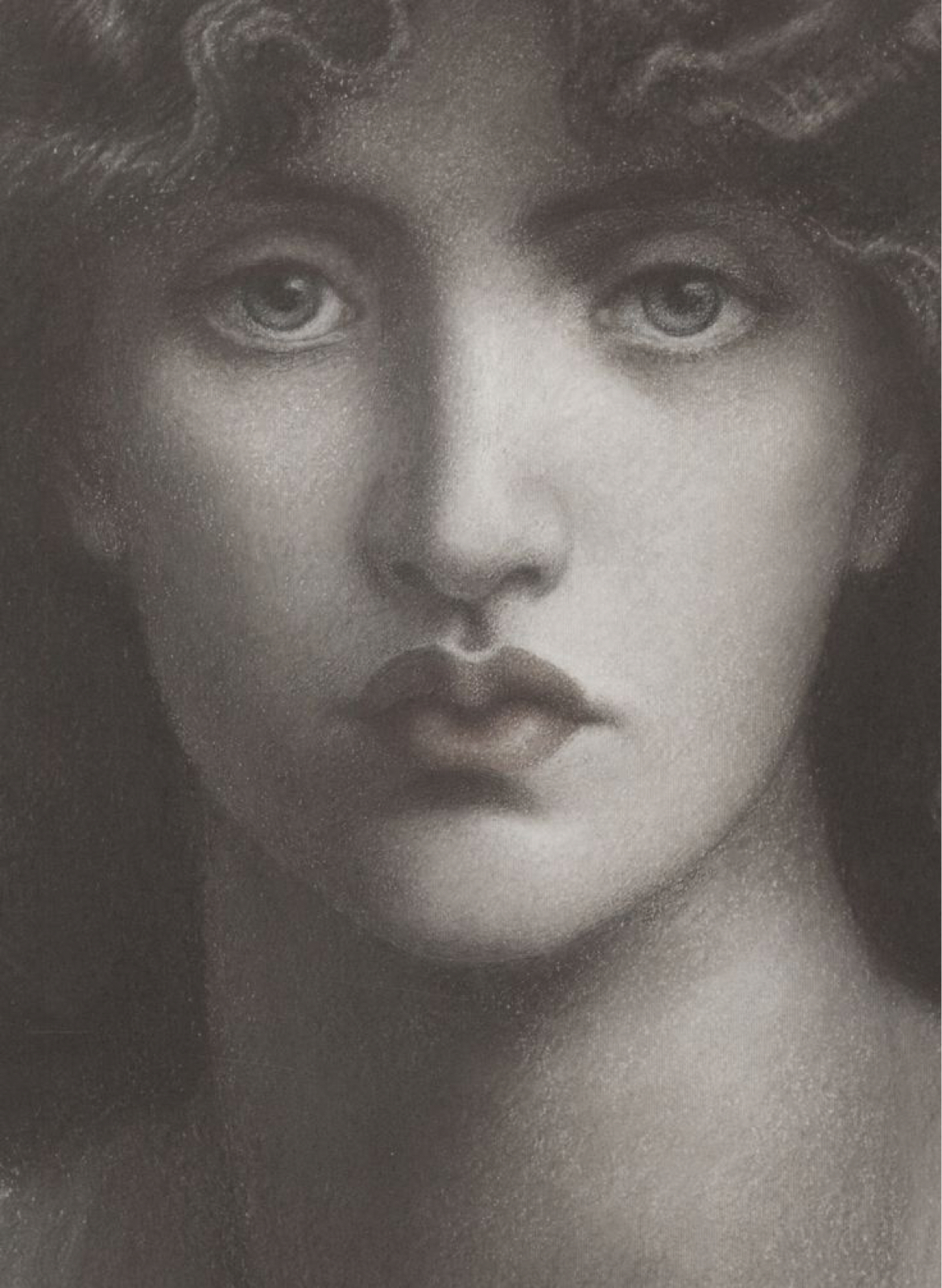
Dante Gabriel Rossetti’s haunting study of Jane for Astarte Syriaca.

This time, the rescue came quietly, almost by accident. One night, after weeks of aimless sketching and abandoned starts, I sat in my petite atelier listening to Kate Bush’s reinterpretation of the traditional Irish air My Lagan Love. Stark and unaccompanied, her magnificent voice rose like a prayer in a vast, empty cathedral. Its resonance and haunting stillness carried the same ethereal quality and mystery that had first drawn me to the Pre-Raphaelites decades ago. Not long after that moment, I came across I Can’t Sleep from Wang Chung’s 1982 debut album. Its enigmatic tone, paired with the solemn beauty of My Lagan Love, reminded me of what had fueled my fascination with the Pre-Raphaelites from the beginning: beautiful mystery.

Alongside music, images play a vital role in sparking the creation of new work. In the case of Mystery, I recalled the sublime portraits of Jane Morris by Rossetti and a magnificent photograph by Clive Arrowsmith of Kate Bush–her face framed by leaves in a distinctly Pre-Raphaelite manner. Combined with the songs I’d been listening to, an image began to emerge, slowly, insistently. What followed was a long, deliberate stretch of hard graft: translating emotion and idea into form on paper.
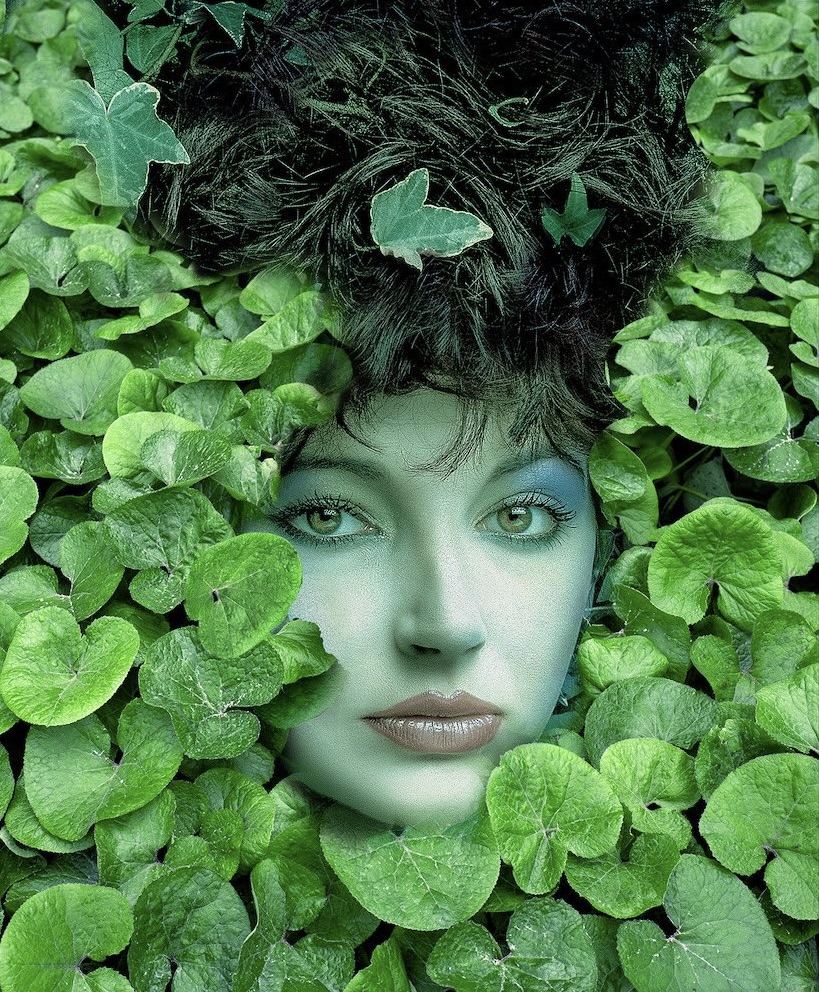
Kate Bush at her most Pre-Raphaelite by Clive Arrowsmith. Photo ©2025 Clive Arrowsmith.

The creative stasis I endured in 2024 was unlike anything I’d ever experienced before. I’d weathered dry spells in the past, but never one so long and so sustained. Still, I’ve come to see that every pause, every obstacle, has its purpose. The path of artistic growth always comes at a price.

As Mystery began to take shape, every mark I made carried the weight of my desire to excel and create something undeniable, something that bore witness to the struggle that preceded it.

A clear idea, a balanced composition, and solid drawing are essential to any new image. There must always be rhythm as well as weight in what you put down. What has always resonated with me about the Pre-Raphaelites’ work is the brilliance of their draughtsmanship and the precision behind their iconic images. Everything they created, whether an oil on canvas or a design in pen and ink, began with sketches and studies in pencil. They worked out every facet. Their pictures were born of a deep, genuine love of drawing and painting, a truth reflected in every mark and brushstroke. Their draughtsmanship set the bar when I first discovered the Brotherhood at sixteen, and it remains the standard I hold myself to today. I will never compromise my standards.
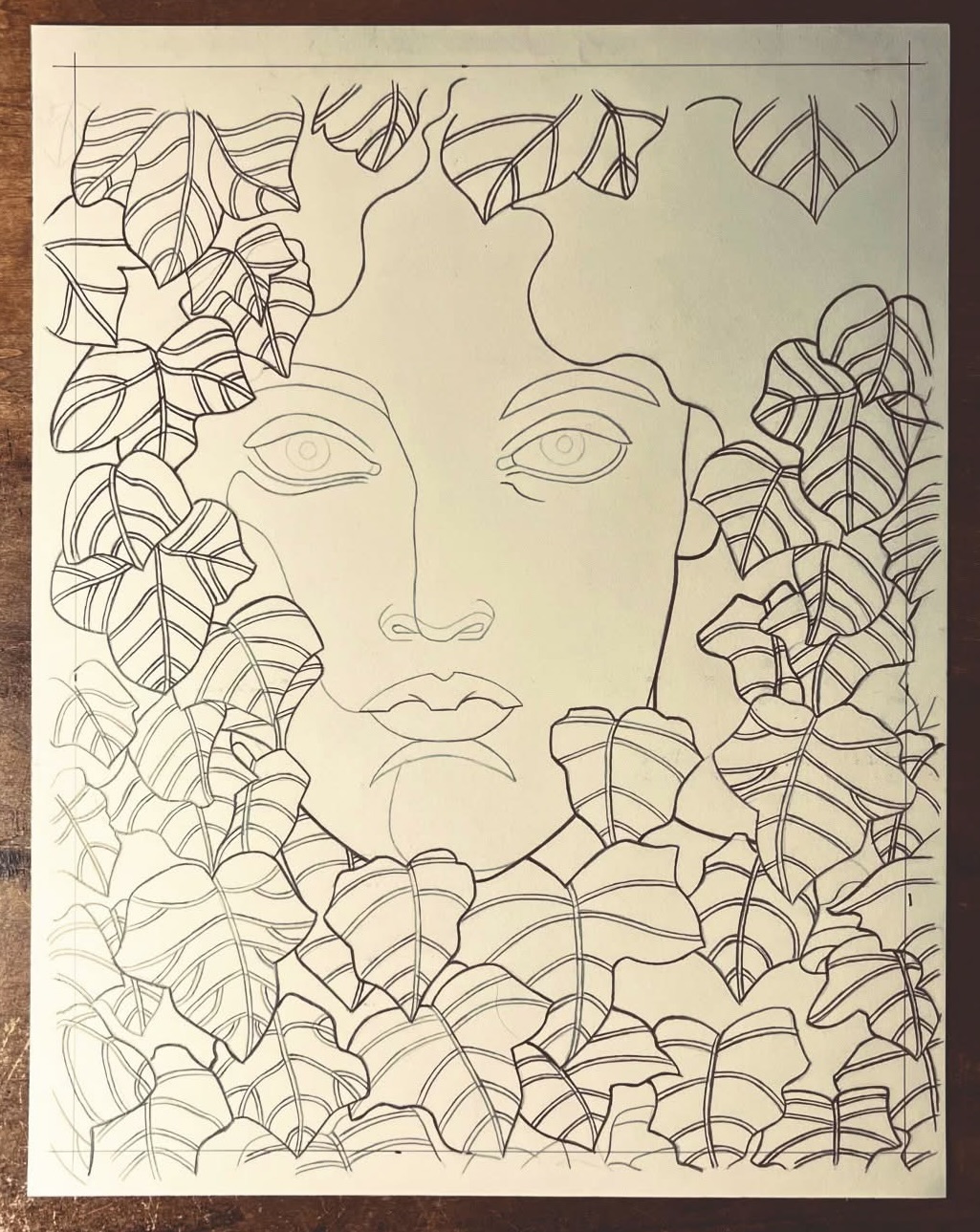
Mystery in-progress pencil preliminary.

​Mystery is a chronicle of struggle and triumph, captured in exacting pen strokes and lush crosshatching. When I began the drawing, I had no idea what would emerge after the weeks of work required to bring my idea to life. Starting was a tentative step after a year of stasis, but as always, I found solace in the long, deliberate process of creation. The act of building form through a profusion of crosshatching and the feel of the pen nib etching ink into the surface of the paper has always carried a kind of therapeutic magic, capable of dissolving whatever hurdle stands in my way.

Whenever I complete a drawing, I’m always surprised by what I see when I finally step back. It’s one thing to sense the potential in an idea; it’s another to bring it fully to life. After weeks of work, I stepped away from the drawing table and looked hard at what I had made. My gut told me I had created something powerful. Maybe.

That intuition found its echo when my wife walked into the studio to see the finished piece. The look on her face said everything: “This is my favorite of all the newer, Pre-Raphaelite-inspired work you’ve done. “She isn’t one to mince words, so perhaps my instincts had been right all along. The moment that confirmed what we both felt came unexpectedly, weeks later, when Dr. Zaynub Zaman, editor of the Pre-Raphaelite Society’s journal, the PRS Review, emailed to offer me the opportunity to help inaugurate her new series, In an Artist’s Studio. To say I was gobsmacked would be an understatement. In an instant, Dr. Zaman validated years of effort and sacrifice and gave the voice I’d long been searching for new depth and resonance.


Pre-Raphaelite Society’s PRS Review subscriptions

Clive Arrowsmith Editions

Follow my Facebook artist page

Defiance On Paper

Fanny Eaton (After Fryer Stocks). 2025. Pen and ink on paper. 9″x12″.

My work is defiance on paper. I am not here to chase trends or court popularity—I am here to be myself. And being yourself means going against expectations. Declaring self-autonomy always comes with a generous cup of take it or leave it.

Over the years, I’ve come to see that defiance takes many forms—but at its core, it’s an attitude. For me, defiance has meant doing something most people are unwilling to do: playing the long game. It means pursuing a decades-long vision, holding myself to a world-class standard, embracing a global outlook, creating traditional art, and committing to black-and-white drawing in ink on paper. The recent publication of In An Artist’s Studio, an article on my work, has validated all of these things.

Defiance also lives in what you choose to draw. In recent years, I’ve been drawn to spotlight the downtrodden, the overlooked, the less valued, and the innocent victims of violence. It’s not the most glamorous path, but it resonates deeply with me. At some point, I realized there had to be more than kitchen utensils or coffeehouse patrons nursing five-dollar lattes. I pursued that for a time—but eventually, the novelty wore off. Sketchbook artist is not what I am.

Fanny Matilda Eaton (1835–1924) was a Jamaican-born, London-raised woman of color who lived in Victorian England and posed for members and associates of the Pre-Raphaelite Brotherhood. She appears in several notable works, including Dante Gabriel Rossetti’s The Beloved (1862), John Everett Millais’s The Pearl of Great Price (1860), and Simeon Solomon’s The Mother of Moses (1860), where she made her public debut. Beyond these paintings, Fanny was also the subject of numerous drawings and studies. Two that stand out are Rossetti’s magnificent pencil Study of a Young Woman (c. 1865) and Walter Fryer Stocks’s 1859 colored chalk drawing, which I used as a reference for my own portrait of Fanny.

I had long known that women of color had posed for the Pre-Raphaelites, but their names remained unknown to me. Fanny Eaton is the first Black model of the PRB whose name I’ve come to know. Her story has come into focus thanks to the investigative work of her great-grandson, Brian Eaton, who published Fanny Eaton’s Story in 2024. And yet, despite the publication of this book and a growing interest in her legacy, Fanny remains an enigma—like so many women whose lives were essential but unrecorded in the history of art.

Although some critics still try to dismiss the Pre-Raphaelites as an irrelevant niche Victorian art movement, it’s increasingly clear that the Pre-Raphaelites’ vision was broader and richer than their critiques suggest. A multicultural thread runs through their work—and through the lives of those who shaped it. Fanny is a prominent example. So is Dante Gabriel Rossetti, son of Italian immigrants and co-founder of the Brotherhood. Maria Zambaco, from London’s Anglo-Greek community, posed for many of Burne-Jones’s most iconic paintings. At the same time, her cousin, painter Maria Spartali Stillman, contributed significant works to the Pre-Raphaelite canon. All of these people have contributed to the rich, cultural, and diverse mélange that makes up Pre-Raphaelitism.

There are also quietly powerful undercurrents of LGBTQ presence and acceptance. Painter Simeon Solomon, who introduced Fanny to the public in The Mother of Moses, was part of that lineage—and contributed significantly to the Brotherhood’s visual language.

It is an exciting time for the Pre-Raphaelites and their kindred movements. As AI and digital technologies continue to proliferate, I believe the desire for traditional art—created with genuine intent and a purpose beyond commodification—will only grow. People are hungry for work that resists the algorithm, that refuses to pander to pop culture, that slows time instead of accelerating it.

It is in that quiet rebellion—in that defiance—that my work finds its place.


The portrait of Fanny Eaton in this post first appeared in the article, In An Artist’s Studio, in the summer 2025 issue of the PRS Review, published by the Pre-Raphaelite Society in the UK.

For more information on the Pre-Raphaelite Society, visit: preraphaelitesociety.org

For more information on Fanny, visit: wikipedia.org


Back On The Edge

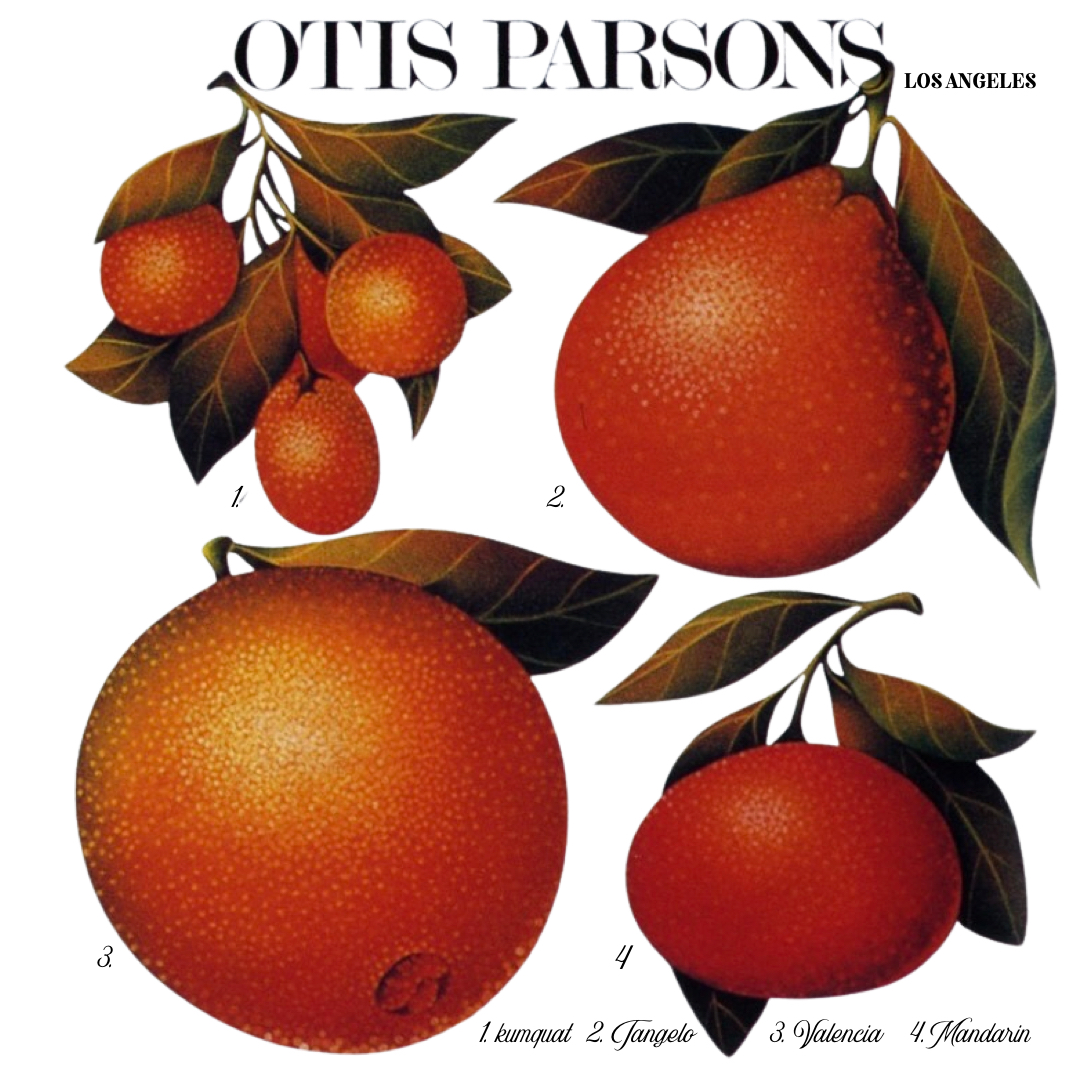
Otis Parsons 1985 Catalog

Forty years ago, I stood on the edge of the most significant chapter of my young life—preparing to move to Los Angeles to attend Otis Art Institute of Parsons School of Design. I was nineteen—naïve, brimming with piss and vinegar—and hell-bent on getting into Parsons’ exchange program so I could study at the American College in Paris. My nerves were on fire, but I knew this was the step I had to take. Even then, before I could name it, I carried the same thing I carry now: the unshakable belief that world-class was the only option.

Not everything went as planned—when Parsons didn’t work out, I headed to San Francisco the following year to attend the Academy of Art College, where I completed my education in 1992. Despite the passage of time, my obstinance and resolve haven’t faded. Today, I’m back on that edge—older, sharper, and feeling the same electric hum under my skin.

Academy of Art Logo

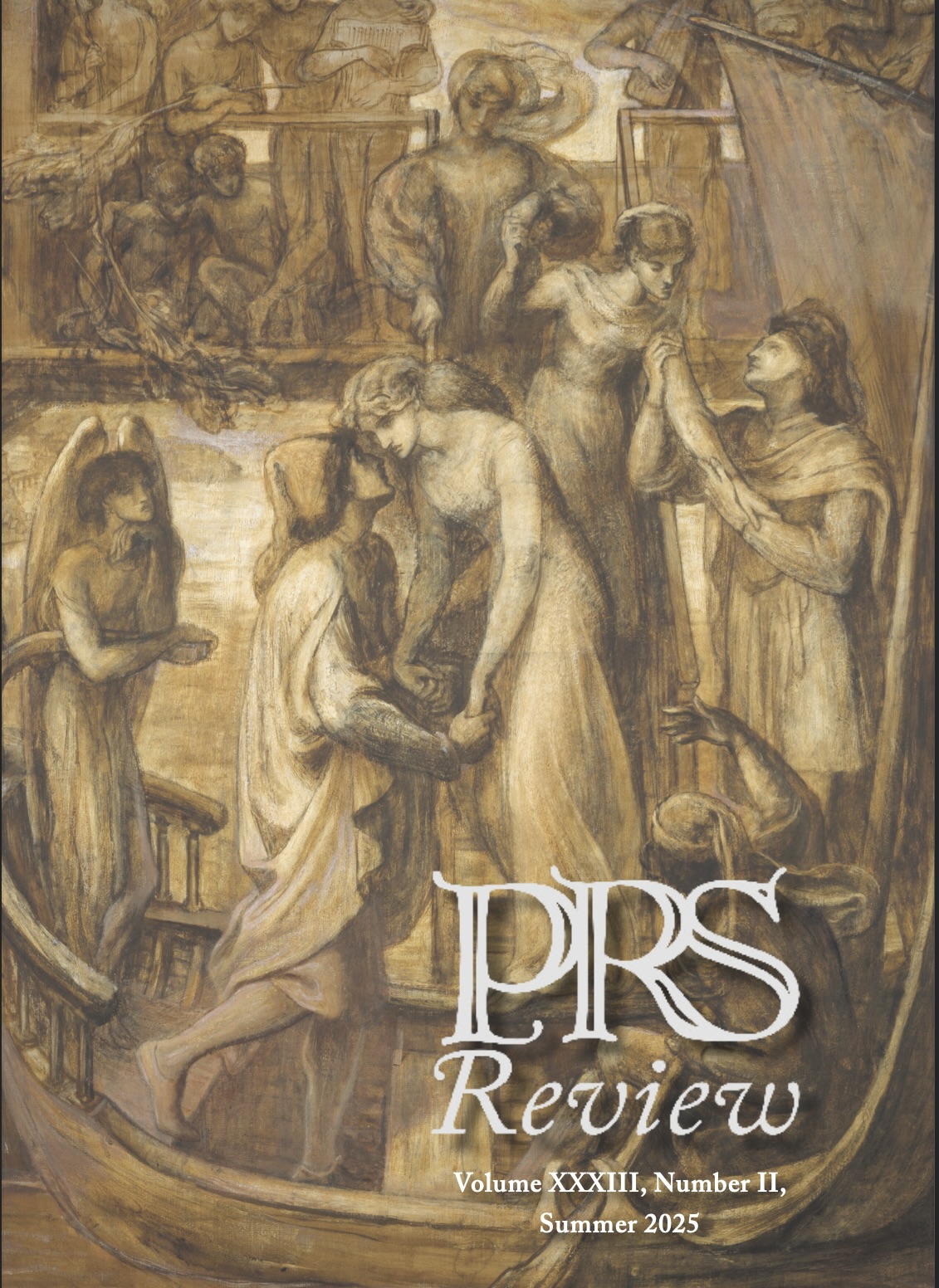
That edge I’m standing on now has a name: Drawing the Pre-Raphaelites, a five-page article in the summer 2025 issue of the Pre-Raphaelite Society’s journal, the PRS Review. It’s a milestone that reaches straight back to that nineteen-year-old in Los Angeles, chasing a vision. This article is more than recognition—it’s an ode to the resolve and defiance that have carried me through every hurdle since 1985, and a tribute to my unwavering conviction. Being recognized by the Society feels like coming full circle while still stepping forward.

In those five pages, I share my journey with the Pre-Raphaelites: how it began, the influences that shaped it, and why I work the way I do. It’s a look into the process, the persistence, and the vision I’ve chased for decades. For me, it’s not just about embracing a Pre-Raphaelite aesthetic—it’s about bringing my vision to fruition, giving my authentic voice its place, and expressing a global point of view. Following the example of my hero, Sir Edward Burne-Jones, and his brother-in-arms, designer William Morris, I push back against the status quo through beauty and reason.

Summer 2025 PRS Review

The Pre-Raphaelite Society was founded in October 1988 by the Provost of Birmingham Cathedral, the late very reverend Berry, M.A.

The aims of the Pre-Raphaelite Society are:

“To promote the study of the works and lives of, and also to promote the wider appreciation of, the Pre-Raphaelite Brotherhood and their successorslocally, nationally and internationally; to publish, or encourage publication of, writings relating to the Pre-Raphaelite Brotherhoodand their successors; to hold meetings, confrences and seminarsof members and others who have an interestin the Pre-Raphaelite Brotherhood and their successors and to arrange visits to places of local, national and international interest; and to co-operate with other societies with similar objectives.”

For further information, visit the Pre-Raphaelite Society’s website by clicking here

Vision and Beauty: Part 3

A Vision Fulfilled

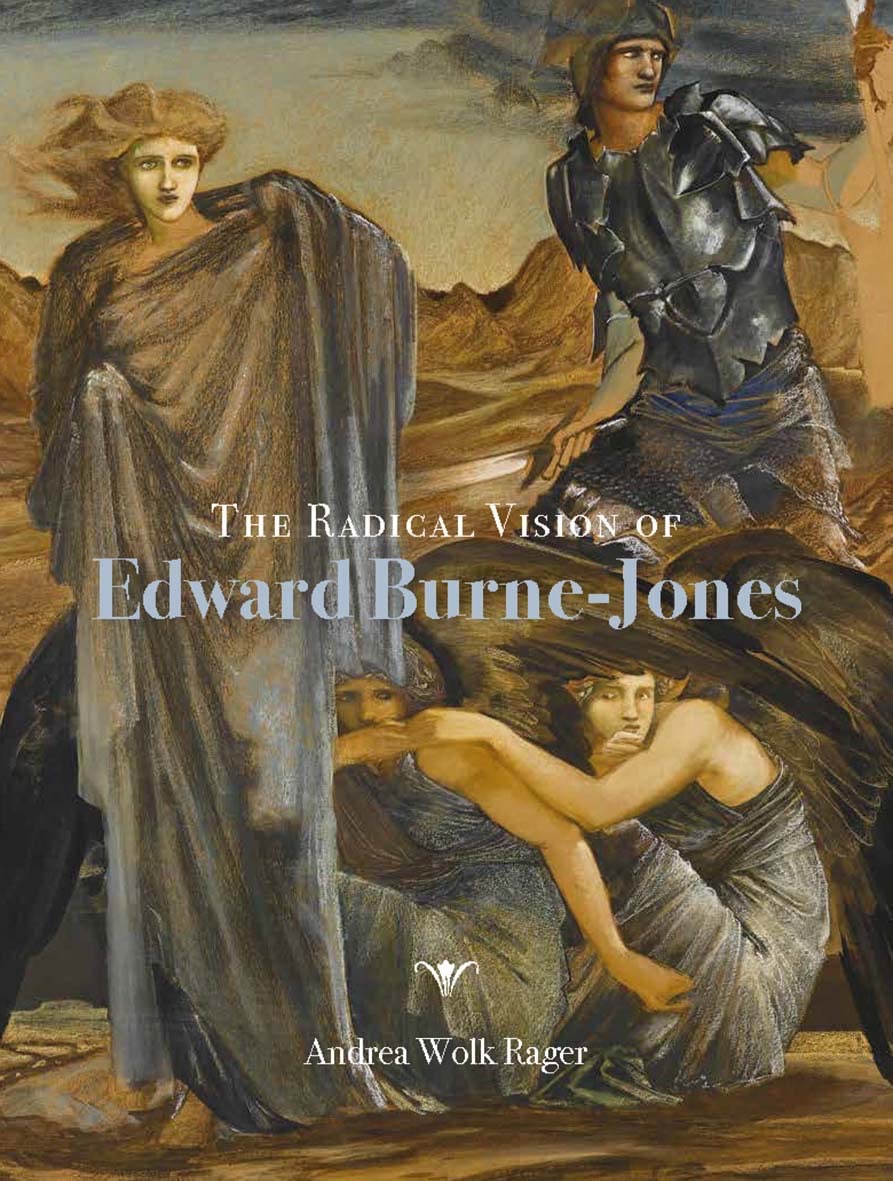
In the summer of 2022, I experienced a fundamental change. Reading The Radical Vision of Edward Burne-Jones finally gave me the clarity and purpose I had been searching for. Inspired by Andrea Wolk Rager’s brilliant reevaluation of Burne-Jones’s oeuvre, I made the decision I had delayed for years: to fully embrace the Pre-Raphaelite aesthetic that had enthralled me for years.

My commitment wasn’t limited to the Brotherhood alone. I also drew inspiration from the artists and designers of the fin de siècle and the Symbolists, who carried the Pre-Raphaelites’ ideals forward. I understood this was a significant moment — the turning point I had been working toward. And yet, as always, I knew that developing my vision, grounded in these traditions, would take time.

The Radical Vision of Edward Burne-Jones

Caught up in the momentum of that decision, I created my first work, Entre Sombras, in what I now recognize as my mature style. Inspired by a portrait of Maria Zambaco by Burne-Jones, Entre Sombras was the first step — a proclamation in pen and ink: this is who I am.

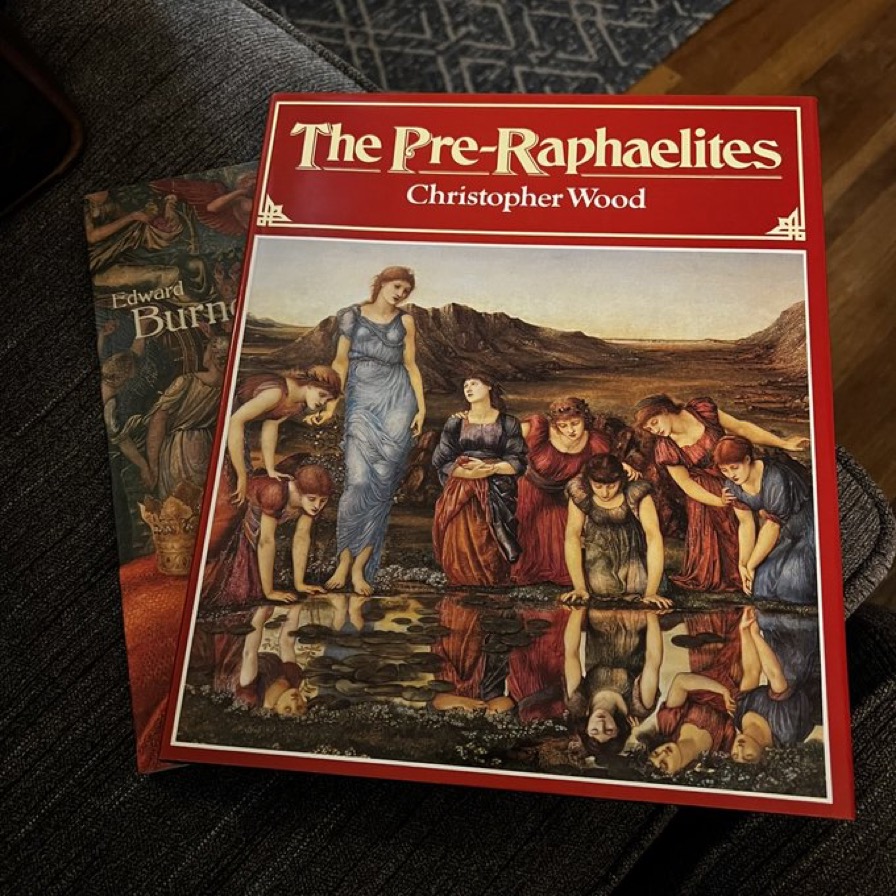
Entre Sombras was not just a drawing. Much like Christopher Wood’s book The Pre-Raphaelites, which had set me on this path all those years ago, it was a sign in the road — a moment when I could finally say: I had arrived at the work I had always sought to create.

Since then, every piece I’ve made has carried forward that same intention: to use the visual language of the Pre-Raphaelites to explore my interests through a contemporary lens, and to do so with the level of care and mastery their legacy demands. The vision I had at eighteen has gone beyond influence; it’s become my identity. Now, that journey has brought me to a new milestone.

The best is yet to come.


Vision and Beauty: Part 1

A Vision of Beauty: Discovering The Pre-Raphaelites

I had no idea I was stepping onto a forty-year path when I bought my copy of the illustration monograph The Studio at sixteen. That oversized tome felt like a sign on the road. While I admired all four of the artists featured, it was Barry Windsor-Smith’s Pre-Raphaelite-inspired work that caught my eye. His aesthetic was entirely new to me, as were the names he cited as influences: Dante Gabriel Rossetti, William Holman Hunt, John Everett Millais, Lord Leighton, and Edward Burne-Jones. I needed to know more.

When speaking about the moment that changed his life, Burne-Jones recalled the epiphany he experienced inside Beauvais Cathedral while traveling with William Morris through Northern France. In that singular moment, he knew his life’s direction. When I discovered Christopher Wood’s seminal book in 1984, I experienced a similar awakening. Its cover illustration — Burne-Jones’s The Mirror of Venus— enthralled me from first glance. That book expanded my limited understanding of what art could be, showing me the possibilities that open when you aspire to a higher purpose.

Beyond introducing me to the core members of the Pre-Raphaelite Brotherhood and their followers, it led me to the artist who would become my guiding light: Edward Burne-Jones. My encounter with that book at eighteen planted a seed that would grow and mature over the next four decades. Despite all the ups and downs I have seen, the impression that book made on me has never faded. It’s never been far from me — always within arm’s reach. And it continues to inspire me. In those early years, I had no idea what the Pre-Raphaelites would ultimately mean in my life. But the path had begun.

Next: A Search for Direction; How The Pre-Raphaelites Saved My Work