The Search for Direction
In 2015, I found myself at a crossroads. I was frustrated with the direction of my work — or, more accurately, the lack of one. What I was producing fell far below the standard I hold myself to. Worse, it said nothing about me. Something had to change.
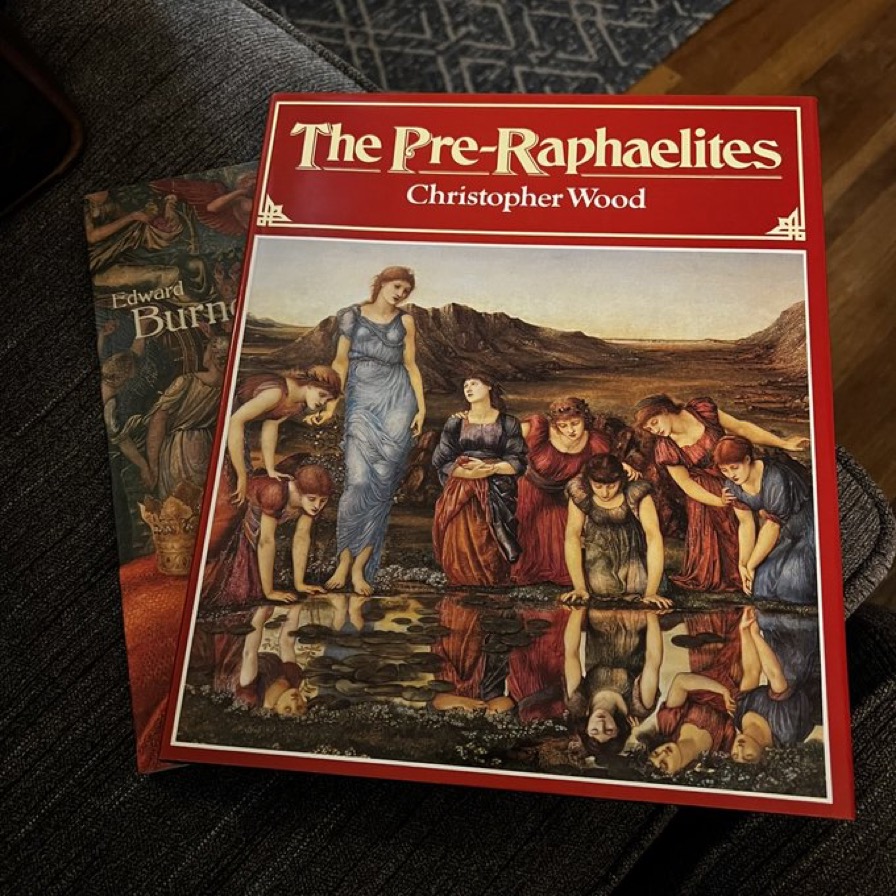
That change began with honest soul-searching. I needed a direction that aligned with my deepest aspirations — and allowed my authentic voice to emerge. I recalled my visit to Tate Britain in London, a decade earlier, standing before Burne-Jones’s King Cophetua And The Beggar Maid, and instinctively turned back to the book that had changed everything for me. ChristoWood’s The Pre-Raphaelites still held the answer I was searching for. I saw it clearly within its pages: the aesthetic I had long admired wasn’t something to study from a distance. It was the path I needed to walk.
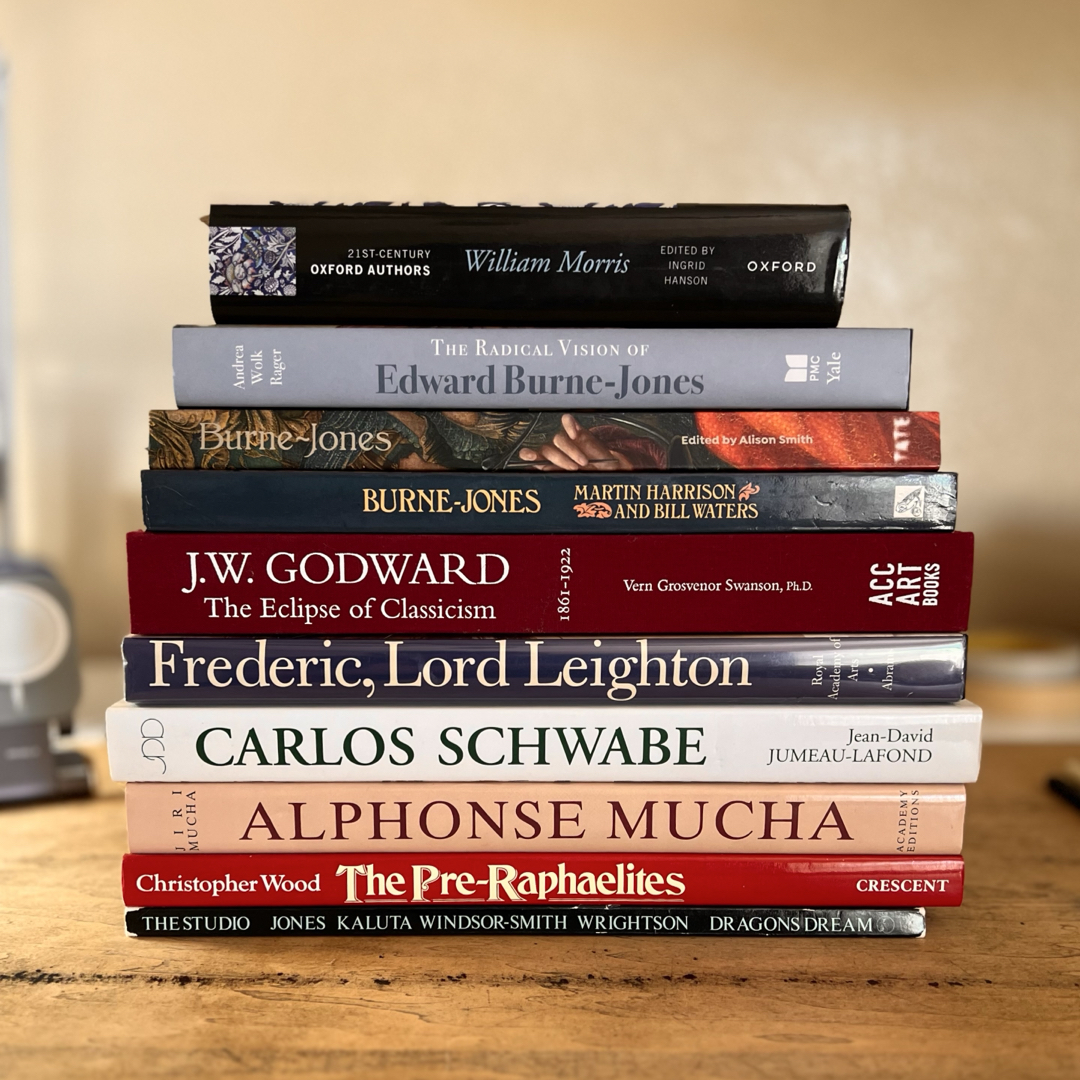
The time had come to stop waiting and start working toward embracing the Pre-Raphaelite aesthetic that had obsessed me for three decades. I knew it wouldn’t happen overnight, but I felt sure I was moving in the right direction for the first time in years.
Over the next several years, I returned to the source, reacquainting myself with the Brotherhood’s origins and aims. I studied their work with new eyes. Slowly, I reached creative plateaus — real progress, not just repetition. For the first time, I could see that the work I wanted to create was possible.
Then, in the summer of 2022, everything changed. I began reading Andrea Wolk Rager’s The Radical Vision of Edward Burne-Jones. Dr. Rager’s work provided what I’d been searching for all along: a blueprint. Her scholarship revealed that Burne-Jones’s aesthetic was never merely escapist eye candy. It was a vehicle for critique — a way to address environmental destruction, inequality, and capitalist consumerism through beauty.
Her book opened the door to the next phase of my journey.
Next: From Obsession to Practice